The psychology of risk Understanding the mind in gambling environments
The Nature of Risk in Gambling
Gambling inherently involves risk, making it a unique environment for psychological exploration. Players are often attracted to the uncertainty of outcomes, which can invoke feelings of excitement and anticipation. This thrill is compounded by the potential for significant rewards, leading many individuals to engage in gambling behavior despite the risks involved. The psychological concept of risk-taking plays a crucial role in understanding why people gamble, as it taps into basic human emotions such as fear, excitement, and the desire for control over uncertain situations. For those interested in enhancing their experience, visiting https://www.footballgroundmap.com/articles/groundhopping-revolution-how-transport-apis-make-three-games-a-weekend-possible can provide insights into various aspects of gambling.

The perception of risk varies among individuals, influenced by factors such as personality traits, past experiences, and emotional states. Some individuals may embrace risk-taking as a form of escapism, while others may experience anxiety at the thought of losing money. This duality creates a complex gambling landscape where players’ motivations can shift based on their mental and emotional well-being. For instance, a person feeling fortunate may take larger risks, while someone stressed may prefer conservative betting strategies, indicating the fluid nature of risk perception in gambling settings.
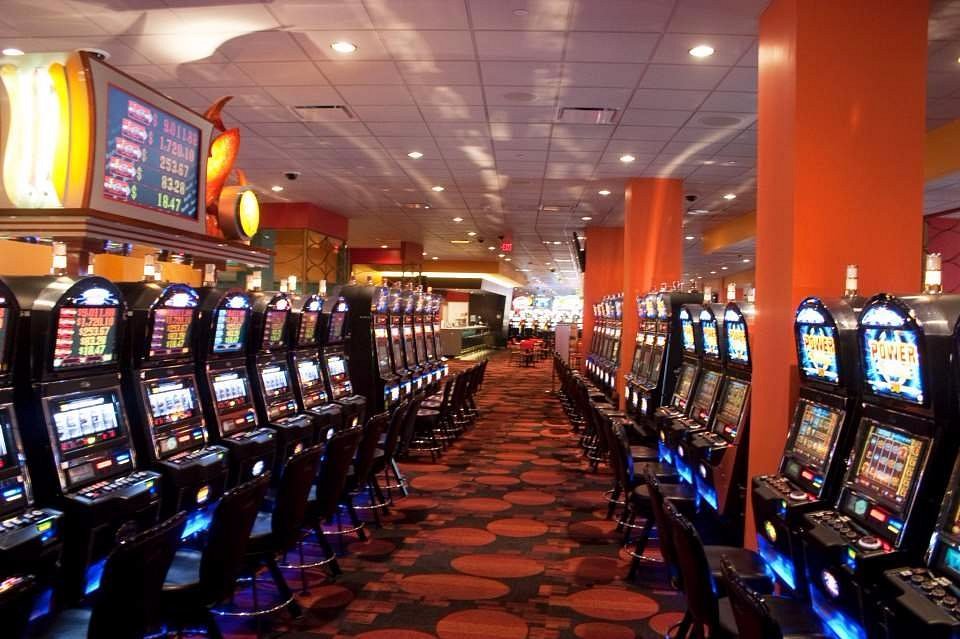
Furthermore, the design of gambling environments amplifies the psychology of risk. Casinos, for example, employ various strategies to enhance the excitement associated with risk, such as colorful lights, engaging sounds, and the presence of other players. These elements create an immersive atmosphere that can lead to impulsive decisions and distorted perceptions of probability. When individuals find themselves in such stimulating environments, they may underestimate the risks involved, believing they have a greater chance of winning than they realistically do. This phenomenon highlights the powerful interplay between environment and psychology in gambling situations.
The Role of Cognitive Biases
Cognitive biases significantly influence gambling behavior, often leading individuals to misinterpret risks and probabilities. One common bias is the “gambler’s fallacy,” where players believe that past outcomes will affect future results in a game of chance. For example, a player may think that a losing streak in a slot machine will be followed by a win, despite the independence of each spin. This misunderstanding can perpetuate risky betting behaviors, as individuals may continue to gamble in hopes of reversing their fortunes based on flawed reasoning.
Another significant cognitive bias is the illusion of control, where gamblers overestimate their ability to influence outcomes. Many players believe that their skills or strategies can alter the course of a game, even in random scenarios like roulette. This belief can lead to increased risk-taking as players become more confident in their supposed abilities. This illusion, while providing a sense of empowerment, can ultimately lead to detrimental financial consequences as individuals chase losses, convinced they can turn their luck around.
The impact of these cognitive biases is further exacerbated by the social dynamics within gambling environments. Players often observe and mimic the behaviors of others, particularly in high-stakes situations. This social contagion can lead to increased risk-taking as individuals seek validation or excitement from their peers, reinforcing a cycle of gambling behavior that may not be grounded in rational decision-making. The combination of individual biases and social influences creates a potent mixture that drives people deeper into risk-laden gambling scenarios.
Emotions and Gambling Decisions
Emotions play a pivotal role in gambling decisions, significantly affecting the choices players make in high-pressure situations. The euphoric feelings associated with winning can lead to a phenomenon known as “loss chasing,” where individuals continue to gamble in an attempt to recover previous losses. This emotional rollercoaster can cloud judgment, causing players to make impulsive decisions that deviate from their original strategies. The highs of winning can create an addictive cycle, making it challenging for individuals to recognize when to stop.
Conversely, negative emotions such as stress and frustration can also influence gambling behavior. When individuals experience negative feelings, they may turn to gambling as a coping mechanism, believing that a win can alleviate their emotional distress. This reaction can lead to a dangerous cycle where gambling becomes a method of escape, reinforcing the emotional dependence on the activity. Understanding the emotional undercurrents in gambling behavior is essential for developing strategies to promote healthier habits among players.
The interplay of emotions and rational thinking in gambling environments creates a complex landscape that requires careful navigation. Players must be aware of their emotional states and how these feelings can impact their decision-making processes. By fostering emotional intelligence and self-awareness, individuals can make more informed choices, reducing the likelihood of falling into destructive gambling patterns driven by unchecked emotions.
The Impact of Environment on Behavior
The physical and psychological environment of gambling establishments significantly shapes player behavior and decision-making processes. Elements such as lighting, sound, and layout are carefully designed to create an atmosphere that encourages prolonged engagement and risk-taking. For instance, the absence of clocks and windows in casinos removes players’ awareness of time, allowing them to lose track of hours spent gambling. This manipulation of environment heightens the thrill and allure of risk, making it difficult for individuals to gauge the true cost of their gambling experiences.
Moreover, casinos often employ promotional strategies, such as free drinks or loyalty programs, to enhance the gambling experience. These incentives can further cloud players’ judgment, encouraging them to take more significant risks than they typically would. The atmosphere is often charged with excitement and urgency, which can lead to impulsive betting behaviors. Understanding these environmental factors is crucial for both gamblers and operators to create a responsible gambling framework that prioritizes player well-being.
Furthermore, social environments within gambling settings can also influence behavior. Players are often swayed by the actions and emotions of others, leading to collective gambling behaviors. Observing others winning can create a sense of urgency and excitement, prompting individuals to take risks they would typically avoid. This social dynamic underlines the importance of understanding how the gambling environment shapes individual and collective behavior, as it plays a critical role in risk assessment and decision-making among players.
Exploring Responsible Gambling Initiatives
As the understanding of the psychology of risk in gambling environments deepens, initiatives aimed at promoting responsible gambling practices have emerged. These programs focus on educating players about the risks associated with gambling, cognitive biases, and emotional regulation. By raising awareness of the psychological factors that drive gambling behaviors, these initiatives empower individuals to make informed decisions and reduce the likelihood of developing problematic gambling habits.
Many casinos, including leaders like Pin Up Casino, and online gambling platforms have implemented measures such as self-exclusion programs and limit-setting tools that allow players to manage their gambling activities proactively. These tools are designed to enhance player awareness and encourage responsible decision-making. The integration of these strategies into gambling environments represents a crucial step toward mitigating the adverse effects of risky gambling behavior.
Additionally, community outreach programs aim to provide support and resources for those affected by gambling addiction. These initiatives focus on fostering a culture of open discussion about gambling-related issues, removing the stigma often associated with seeking help. By addressing the psychological aspects of gambling and providing the necessary support, these initiatives create safer gambling environments that prioritize mental health and well-being while promoting responsible practices tied to platforms like Pin Up Canada.