Alcoholic Nose: Causes, Symptoms & Treatment for Rhinophyma

In less severe cases, medication may be effective in treating rhinophyma. Topical and oral antibiotics reduce inflammation and redness, and other topical medications minimize inflammation. Some people also take oral capsules that stop skin glands from producing oil. Even a single alcoholic drink can cause flare-ups for many people with this condition. A survey by the National Rosacea Society found that red wine was the most common culprit, followed by white wine and beer.

  • That helps them come up with the right treatment plan, whether that includes prescription cream, laser therapy, or surgery.
  • Treatments like oral and topical medicines, laser therapy, or surgical interventions such as electrosurgery, cryosurgery, or laser ablation can help.
  • Rhinophyma is characterized by a gradual thickening and enlargement of the skin on the nose, leading to a bulbous nose appearance that can become quite pronounced in severe cases.
  • This way, they are not bombarded with social pressures and stigma close to home.

Progressive Drinker’s Nose Symptoms:

The information on this site is for educational purposes only and is not a substitute for professional medical advice. If you have or suspect you may have a health problem, consult your health care provider. Each individual is sensitive to alcohol in different ways, so everyone who alcoholic nose pictures has rosacea may not see a flare-up after drinking. It’s like giving your skin a well-deserved vacation, restoring its vitality and bringing back that vibrant glow you’ve been missing.

Skin Rejuvenation: Finding the Closest Provider to a Perfect Complexion

  • We maintain strict accuracy standards, sourcing information exclusively from credible sources for our website content.
  • These might also be the type of people you are seeing with purple or red noses who are drinking in a bar.

As a result, they start trying to avoid social events and soon become prey to mental health issues. When they feel judgment being passed on their appearance, character, and drinking habits, they can easily develop emotional and mental issues such as anxiety and depression. It is not uncommon for someone who is drinking alcohol to feel flushed or for their skin to become red. However, becoming red and having flushed skin differs from Rhinophyma or any other branch of Rosacea. While drinking cannot directly cause the condition, excessive drinking can trigger or aggravate the problem.

  • Research suggests that there is a strong correlation between Rhinophyma and alcohol abuse 22.
  • If you don’t have insurance, they may be able to get you some financial assistance.
  • Rhinophyma doesn’t look the same in everyone, but there are a few traits that tend to show up in nearly every case.
  • Alcoholic nose is a term used to describe the large and misshapen red nose often attributed to heavy drinking.

Treatment for Substance Use Disorders
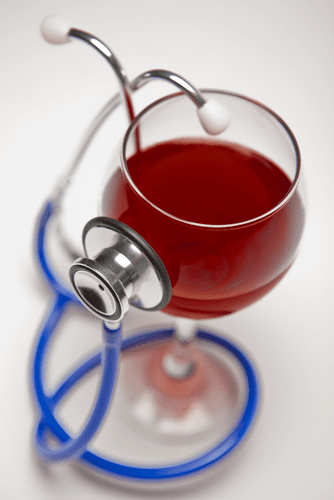
drinkers nose pictures

We have a team of experts that navigate the relationship with the insurance companies on your behalf to make sure you’re getting the highest levels of care at the least amount possible. The right treatment approach depends on each individual case, but treatment almost always brings both physical relief and emotional benefits. However, there are contradicting beliefs that attribute other causes for the reddening of https://miguelariasweb.com/sober-living/goodbye-letter-to-alcohol-sample-with-examples-2/ the nose and the structure of the nose noticeably changing.

drinkers nose pictures

Certainly, this new theory can help those that struggle with the condition, as many that are diagnosed with rhinophyma are wrongly judged alcoholism treatment to be heavy drinkers. Plenty of people suffering from rhinophyma have stayed home for fear of being shamed in public. Today, if you’re battling this chronic inflammation, you don’t have to worry about this mislabeling. This leads to a flushed or red appearance, often called “alcohol flush reaction.” In chronic drinkers, this can become constant due to broken capillaries. An alcoholic face may show signs such as persistent redness, puffiness, broken capillaries (spider veins), and dry or dull skin. Over time, these features can become more pronounced due to dehydration, liver strain, and inflammation caused by alcohol.

One Month Without Alcohol: What Happens to Your Body, Weight, and Health

Severe and complicated alcohol withdrawal requires treatment in a hospital — sometimes in the ICU. While receiving treatment, healthcare providers will want to monitor you continuously to make sure you don’t develop life-threatening complications. Healthcare providers typically prescribe short-term medications to relieve the symptoms of mild to moderate alcohol withdrawal. Alcohol withdrawal causes a range of symptoms when a person with alcohol use disorder stops or significantly decreases their alcohol intake. The symptoms can range from mild to severe, with the most severe being life-threatening.

  • Combining hydration, balanced nutrition, and targeted remedies—whether over-the-counter or natural—can significantly ease discomfort.
  • Avoid overusing pain relievers, especially acetaminophen or NSAIDs, without medical guidance — particularly if liver health may be compromised from alcohol use.
  • In addition to these factors, there are some individuals who are more predisposed to experience headaches during alcohol withdrawal due to a series of genetic factors.
  • For many people, alcohol recovery also involves unlearning deeply ingrained habits and social norms.
  • Complicated withdrawal can begin within hours of the last drink and escalate quickly in people with a history of heavy alcohol use.

What to Expect in Medical Detox

alcohol withdrawal headache

Medical intervention can dramatically impact both symptom severity and duration. Detoxification under professional care often involves medications such as benzodiazepines that reduce nerve excitability safely. To maintain sobriety, it is recommended that an individual receive adjunct therapy, whether it be in group form like with Alcoholics Anonymous, or individual psychotherapies like CBT or MET. A person may also support their sobriety by managing stress, identify and reducing triggers, creating relationships with sober peers, and healthy lifestyle choices. Alcohol use disorder affects 9% of Americans over the age of 12 (NCDAS, 2026). Alcohol has an array of street names such as booze, hooch, brew, shine, bubbly, and so on.

Medically Assisted Detox

  • Withdrawal symptoms can occur with or without a formal diagnosis of alcohol use disorder.
  • Symptoms of alcohol withdrawal range from mild alcohol cravings to severe tactile hallucinations and changes in blood pressure.
  • For females, that means drinking two or more drinks per day and eight or more drinks per week.
  • Light drinkers might experience a shorter duration, often resolving within 5 to 7 days.
  • Professional detox programs provide round-the-clock monitoring, immediate access to medications and interventions, and the expertise to manage complications if they arise.

For instance, applying a cold Alcohol Withdrawal compress to the forehead or taking a warm shower may provide some level of temporary relief by soothing tense muscles and promoting relaxation. Contact your state’s mental health/substance use agency for more guidance on how to afford rehab. Severe delirium tremens can cause psychosis, which is a disconnect from reality.

Withdrawal Timeline: Understand the typical timeline for alcohol withdrawal symptoms to subside

  • It is usually not medically dangerous, but it can become serious if it triggers severe depression, panic, dehydration, or thoughts of self-harm.
  • Aim to drink plenty of water throughout the day, especially if you are prone to headaches.
  • Always prioritize safety by consulting a healthcare professional, especially if symptoms persist or worsen.
  • While mild at first, they will begin to intensify as withdrawal progresses.

When alcohol is suddenly removed, the brain is left in a hyperexcitable state with too little calming activity and too much stimulation. This imbalance can trigger seizures as electrical activity in the brain becomes chaotic and uncontrolled. Shaking hands, racing heart, intense anxiety — these are not just uncomfortable symptoms; they’re warning signals that the central nervous system is struggling to adjust without alcohol. Because confusion is a key symptom of DTs, people with this condition can’t make informed choices about their care.

alcohol withdrawal headache

Get Help from a Recovery Advocate

These are medical emergencies that can be fatal without proper treatment. People struggling with alcohol use disorder often neglect proper hydration, choosing alcohol over water and other healthy beverages. The resulting dehydration affects brain function and increases vulnerability to seizures during withdrawal. These symptoms typically begin in early withdrawal, often starting 6-12 hours after the last drink. They signal that the body is struggling to adjust and can worsen quickly without proper care.