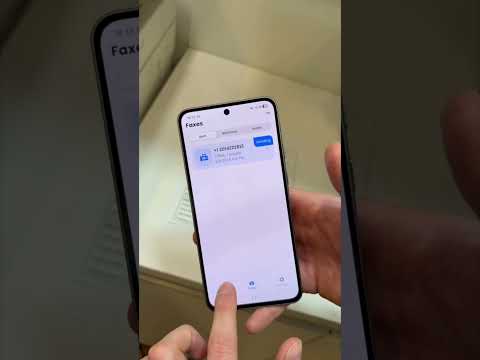
Your Complete Guide to CVS Fax: Practical Tips for Sending & Receiving Faxes
What Is CVS Fax and Who Needs It?
CVS fax refers to the fax‑sending and receiving service offered through CVS Pharmacy locations and its online portal. It enables individuals and small‑to‑medium businesses to transmit documents without a dedicated fax machine, using a retail store’s fax line or a cloud‑based interface.
The service is especially useful for professionals who still need to deliver signed contracts, medical records, or legal forms to recipients who only accept faxed papers. If you already visit a CVS store for prescriptions or other services, adding a fax capability can streamline your paperwork workflow.
Key Features and Core Benefits of Using CVS Fax
CVS fax provides a straightforward set of features that address common faxing pain points:
- In‑store fax terminals available at most CVS Pharmacy locations.
- Online portal for sending faxes from a computer or mobile device.
- Document scanning on‑site for paper‑to‑fax conversion.
- Confirmation receipts and delivery status tracking.
The benefits stem from these features: you save on hardware costs, maintain a secure paper trail, and reduce the time spent traveling to a dedicated fax office. For busy professionals, the ability to fax while picking up a prescription can be a real productivity boost.
Typical Use Cases for CVS Fax
Understanding when CVS fax shines helps you decide if it fits your workflow. Below are the most common scenarios:
- Medical practices: Sending patient records to specialists who require faxed documents.
- Legal firms: Delivering signed contracts to courts or opposing counsel that only accept faxes.
- Real‑estate agents: Transmitting lease agreements and inspection reports quickly.
- Small businesses: Sending invoices or purchase orders to vendors without email capabilities.
Because CVS locations are widespread across the United States, you can often find a nearby store to complete a fax on short notice, making it a flexible option for time‑sensitive needs.
How to Set Up and Send a Fax with CVS
Getting started with CVS fax is a three‑step process:
- Create an online account: Visit the CVS fax portal, provide basic contact information, and set a secure password.
- Verify your email and payment method: A small verification fee may be required to confirm your ability to send faxes.
- Upload or scan your document: Use the portal’s upload feature for digital files or ask a store associate to scan a paper document.
Once your document is ready, simply enter the recipient’s fax number, add a cover sheet if needed, and click “Send.” You’ll receive an email receipt confirming delivery status within minutes.
Pricing Overview and Cost‑Saving Tips
CVS fax pricing is designed to be transparent and affordable for occasional users and regular faxers alike. The typical cost structure includes:
| Plan | Cost per Fax | Monthly Subscription (optional) | Best For |
|---|---|---|---|
| Pay‑Per‑Fax | $0.99 | None | Infrequent users |
| Basic Monthly | $0.75 | $9.99 | Small businesses with 10‑20 faxes/month |
| Pro Unlimited | Free | $24.99 | High‑volume users needing unlimited faxes |
To keep costs low, consolidate multiple pages into a single fax whenever possible, and take advantage of the free trial period offered to new accounts. Reviewing your monthly fax volume can help you choose the most economical plan.
Integrations, Automation, and Workflow Tips
While CVS fax is primarily a stand‑alone service, you can integrate it into broader business processes:
- Export fax receipts to your accounting software for automatic invoicing.
- Use Zapier or similar tools to trigger a CVS fax whenever a new document is added to a shared folder.
- Set up email filters that forward incoming fax confirmations to a dedicated “Fax” label in Gmail or Outlook.
These integrations allow you to embed faxing into existing digital workflows, reducing manual steps and improving reliability.
Security, Reliability, and Support Considerations
Security is a top priority for any document transmission method. CVS fax employs encrypted connections for online submissions and maintains physical security at each store location. However, because faxes travel over telephone lines, they are not as secure as end‑to‑end encrypted email. Use cover sheets that label confidential information, and limit fax use to non‑sensitive data whenever possible.
Reliability is bolstered by CVS’s extensive network of over 9,900 stores, offering multiple points of access. If you encounter issues, support is available via:
- Live chat on the CVS fax portal.
- Phone assistance during store hours.
- FAQ and knowledge‑base articles.
For additional guidance on maximizing your fax workflow, visit www.blogthishere.com.
Pros and Cons – Quick Decision Guide
Before committing, weigh the following advantages and disadvantages:
- Pros:
- Convenient in‑store access.
- No need for dedicated hardware.
- Transparent pricing.
- Basic integration options.
- Cons:
- Limited advanced features compared to enterprise fax services.
- Potential security concerns for highly sensitive data.
- Reliance on store operating hours for in‑person faxing.
If the pros align with your business needs—particularly if you value convenience and cost‑effectiveness—CVS fax can be a practical solution.
Final Thoughts: Is CVS Fax Right for You?
CVS fax bridges the gap between traditional fax machines and modern digital communication. It is ideal for professionals who need occasional fax capabilities without investing in dedicated equipment. By understanding the features, pricing, and integration possibilities, you can decide whether the service meets your specific workflow requirements.
Take advantage of the free trial, test the in‑store fax stations, and evaluate your monthly fax volume. With a clear picture of how the service fits your business, you’ll be ready to incorporate CVS fax into your daily operations confidently.